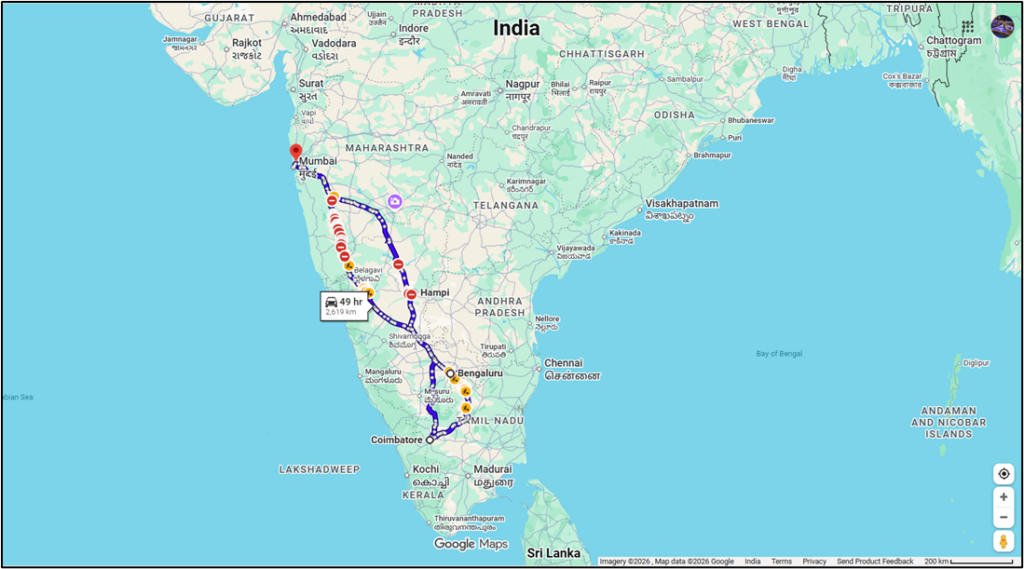
This road trip was long overdue, two years in the making after our memorable Gangotri – Kedarnath outing. My daughter was caught up in her preparations for tough entrance exams and now, after settling into her first year of studies, we got a 10-day reprieve for a short holiday. We decided to make a quick run to Hampi, the capital city of the great empire of Vijayanagara in Karnataka.
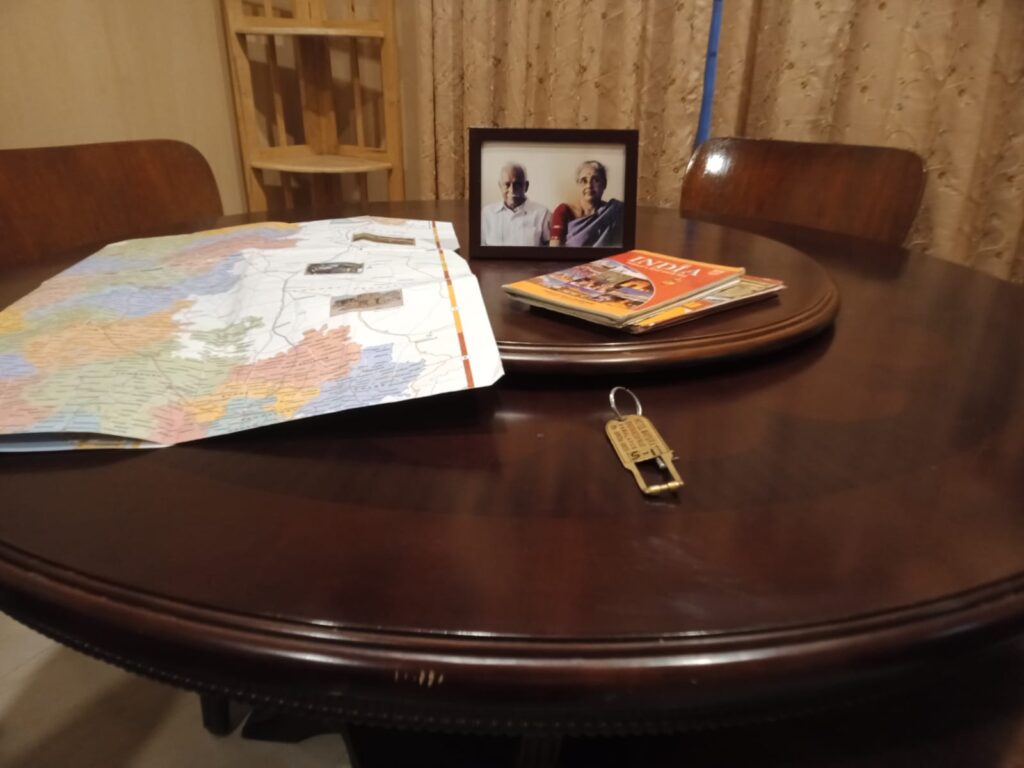
We began our 2977 km long trip on a cool Friday morning, departing from Mumbai on 15th May at 4:15am – my daughter and I and our driver – with Amma-Appa’s photograph snugly packed in the bag near us. Our sarathi was usually quiet, but this morning chatted frequently, making up for the distance of the last two years. The car smelt warm and fragrant and our Altis leapt with eagerness in the dark, delighted to be testing her prowess on the roads again. As always, the previous evening, my daughter and I circumambulated her three times with folded hands, praying for her safety and ours till the end of the journey.
We have traversed the Mumbai-Karnataka route multiple times and the familiar signposts of Pune, Kolhapur, Belgavi, Dharwad and Hubli, were comforting to see. We did not go down to Davengere but turned left to Gadag, Koppal and finally Hospete in the Ballari district of Karnataka, leading to Hampi. While the landscape in Maharashtra was dry and rugged, the Karnataka border was greener, calmer, stretching far with low houses and windmills turning gently in the breeze. In season, carts and tractors loaded with sugarcane pass by.
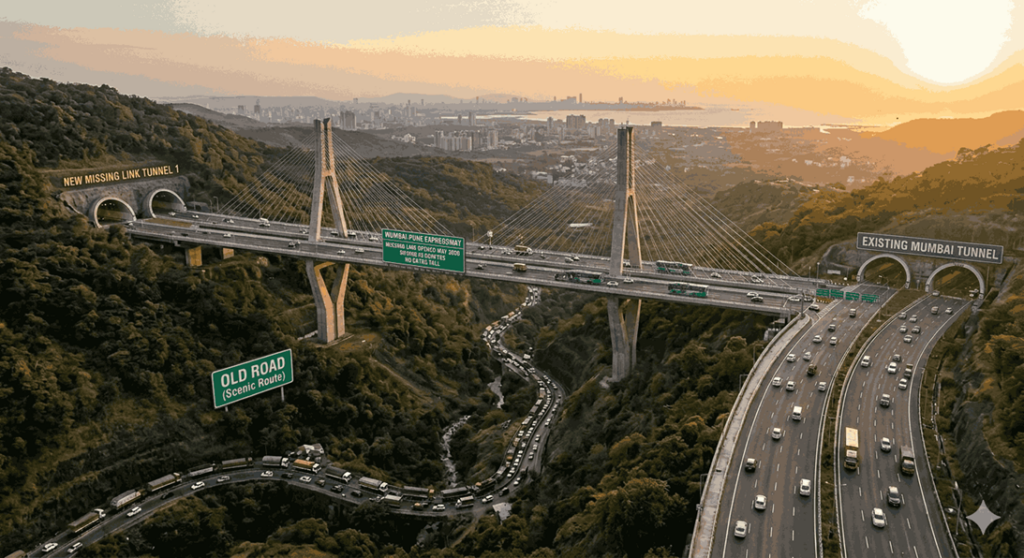
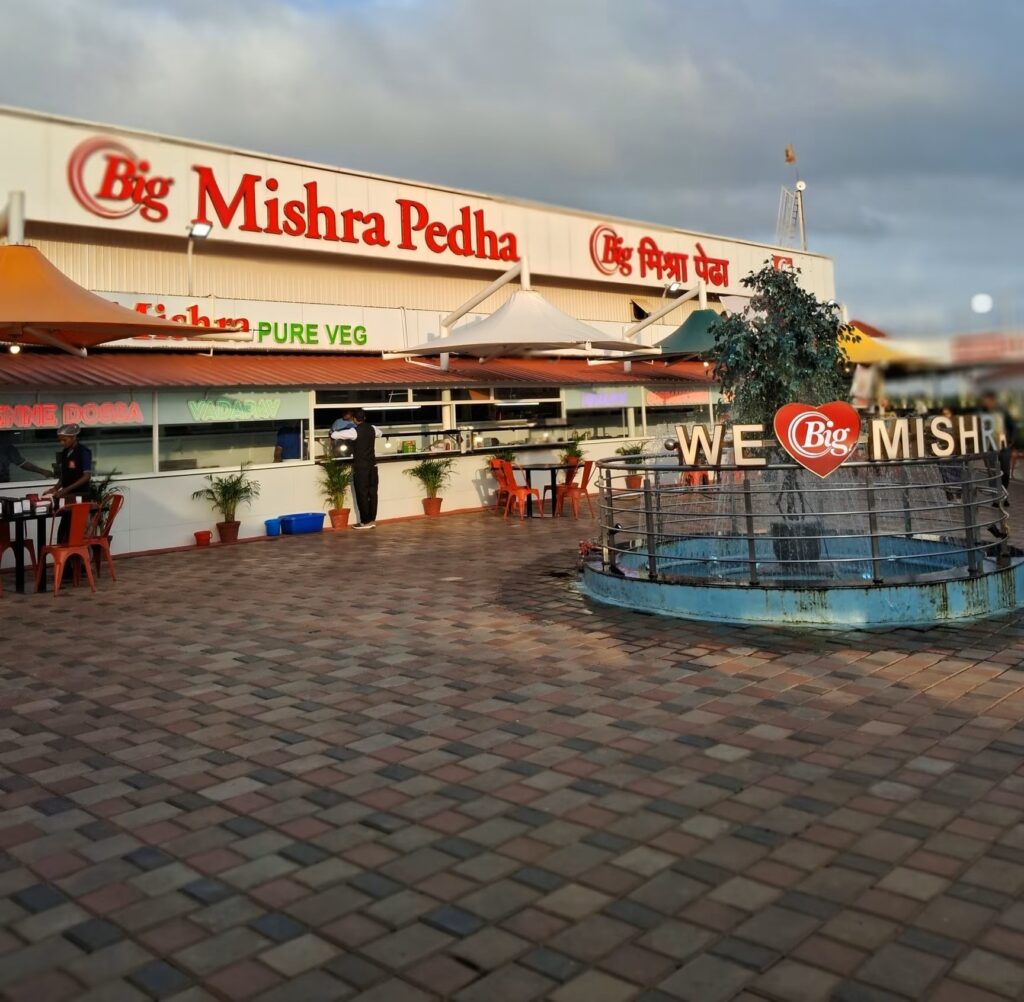
We did use the newly inaugurated ‘Missing Link’ on the Mumbai-Pune expressway, a 13.3km route comprising two tunnels and two viaducts between Khopoli and Kusgaon. The lighting inside the tunnels was lovely and the experience, fantastic! My daughter slept right through at dawn but was “WOW!” on our return journey. After breakfast at Kamat’s at 7:30am, we stopped for lunch at 2pm at a Big Mishra Pedha food court near the Hubli-Dharwad bypass on NH4. After abstaining for nearly seven hours, we hungrily tucked into some tasty chaats and ice-cream.
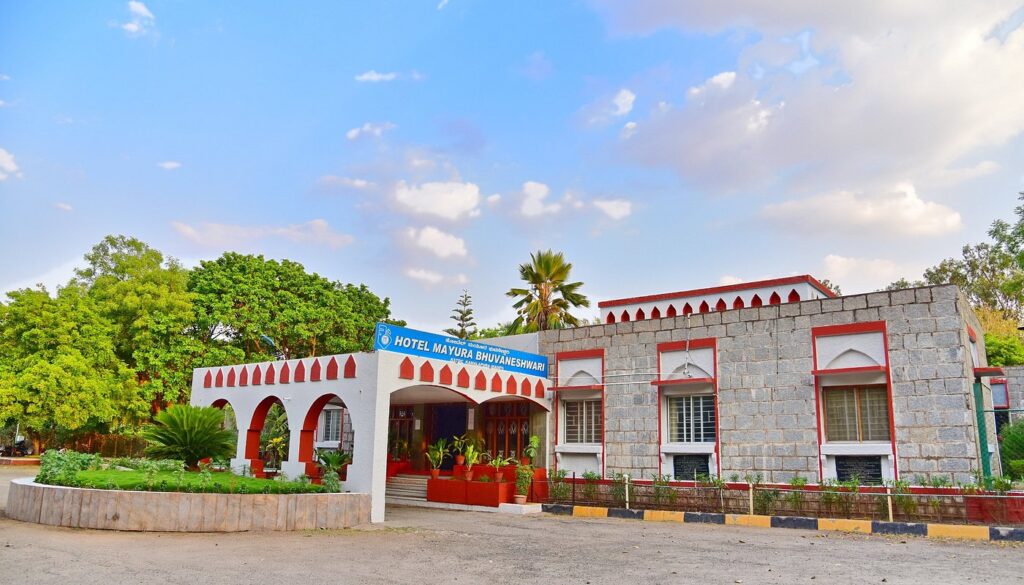
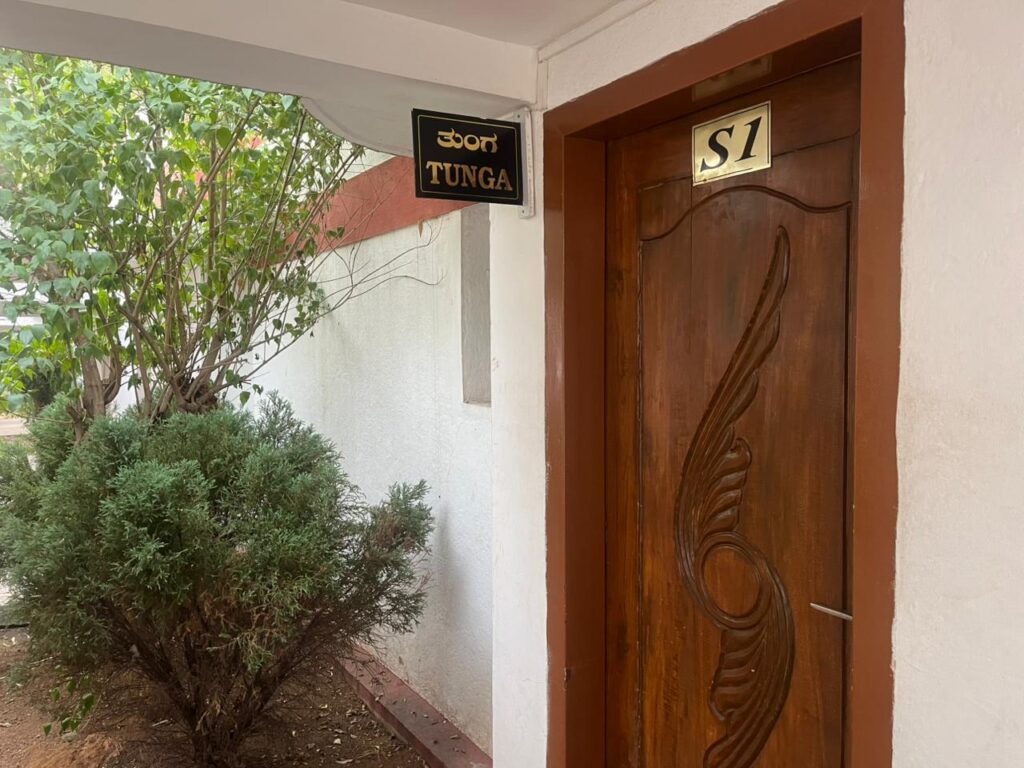
We reached the beautiful state government property Hotel Mayura Bhuvaneshwari at Hampi at around 6pm in the evening. It was extensive, green, with huge parking area, a restaurant and large rooms with solid wood furnishing. Our suite ‘Tunga’, named after the great Tungabhadra river nearby, was equipped with a large living room and a corridor leading to a bedroom and bathroom. We freshened up for dinner and firmed up with a government-certified guide recommended by the hotel for a site visit the next day.
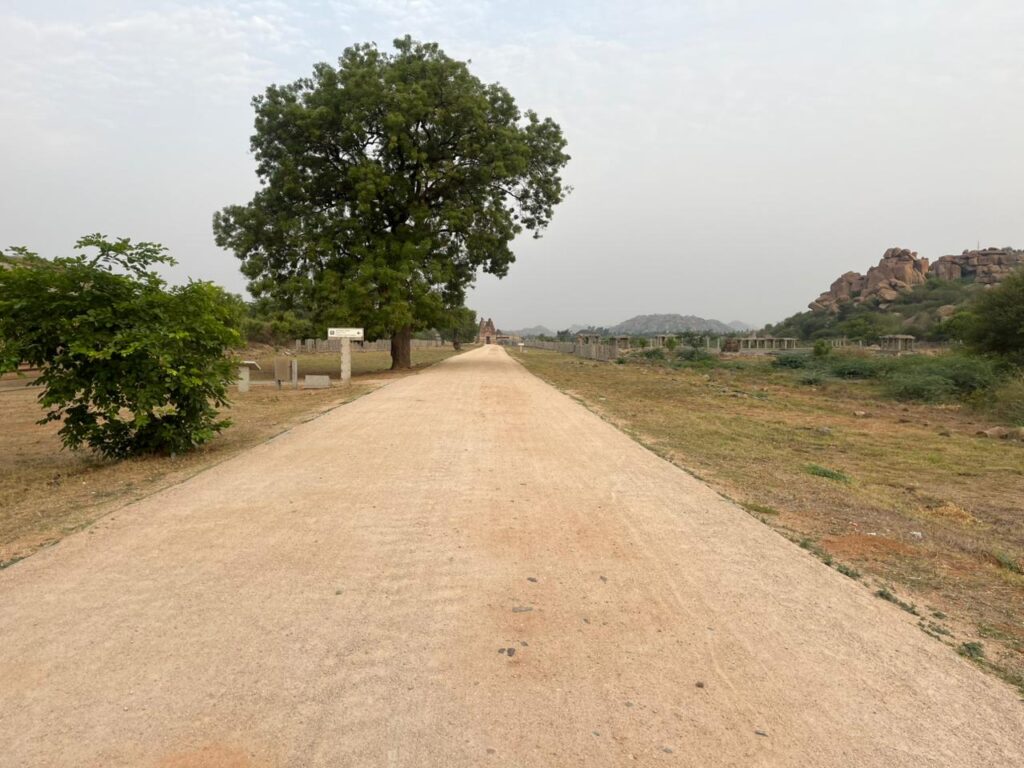
We were ready at 6am and drove behind the motorbike of our guide to the ruins of Hampi, the spectacular capital of the last Vijayanagara Empire whose kings included the great Krishnadevaraya. Our first visit was to the stunning Vittala temple complex. What struck you immediately was space and distance. It was a lovely two kilometre walk on the ‘Chariot Road’ to the entrance early in the morning and we stopped on the way to admire stone mandapas still standing after more than 500 years.
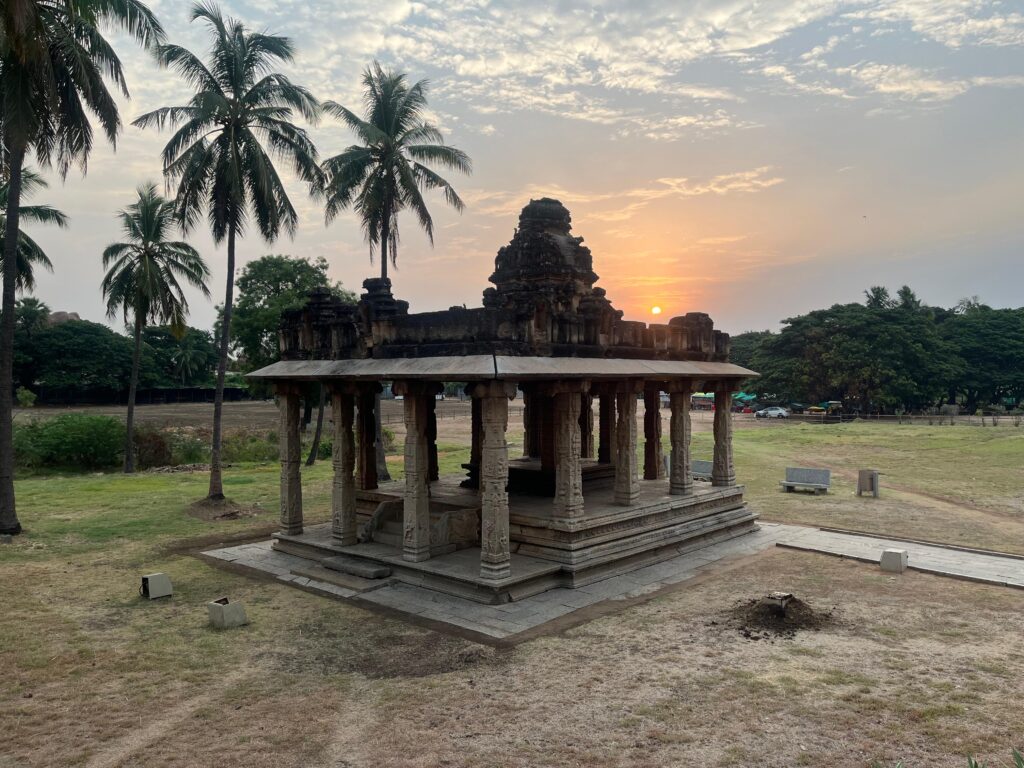
Karnataka was Kishkinda of the Ramayana; where Hanuman was born, where Sugreeva and Vali fought, where Hanuman met Sri Rama and Lakshmana, where Rama killed Vali from behind with an arrow and where Sugreeva, Hanuman and their vanar sena helped Rama cross the ocean to Lanka to rescue Seeta from the clutches of Ravana. This was in the Treta Yuga. In the Dvapara Yuga of the Mahabharata, Chitradurga in Karnataka was where the Pandavas wandered after their escape from the burning wax house and where Bhima fought the rakshas Hidimba and married his sister Hidimbi. The landscape in both Chitradurga and Hampi had massive boulders and forest areas and at the the Vittala temple complex, numerous monkeys watched us from behind the rocks. The stories from the epics floated graphically in my head and I could see it all happening like it was in front of me. My daughter knew the epics well and delighted in connecting it all with the present.
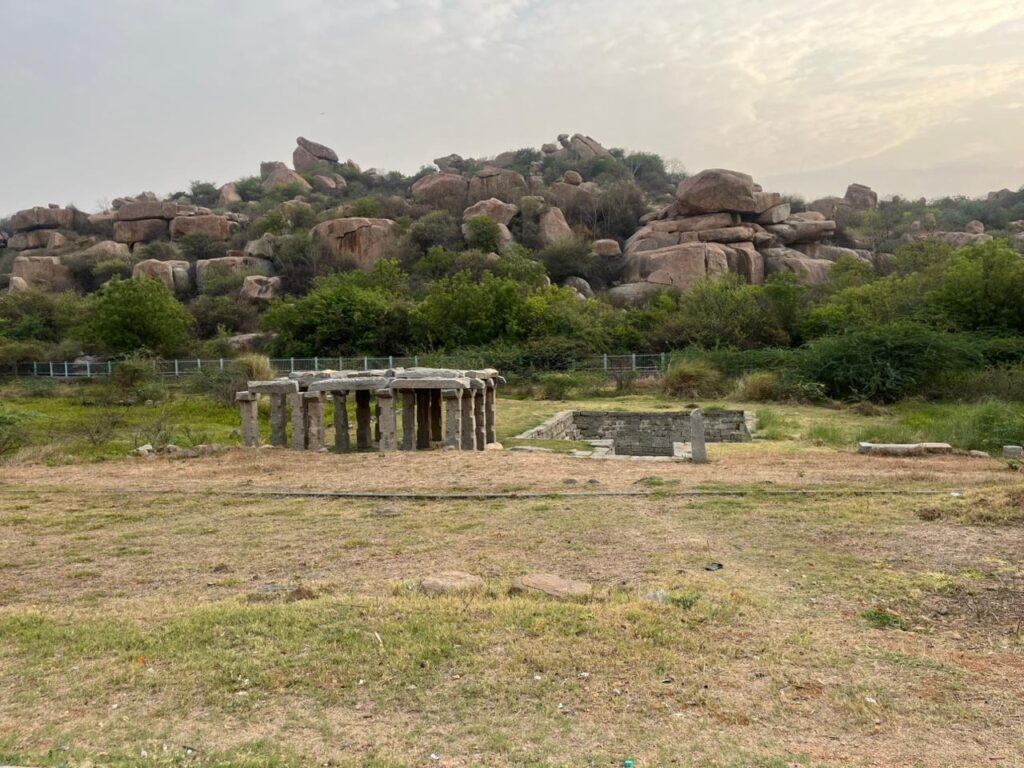
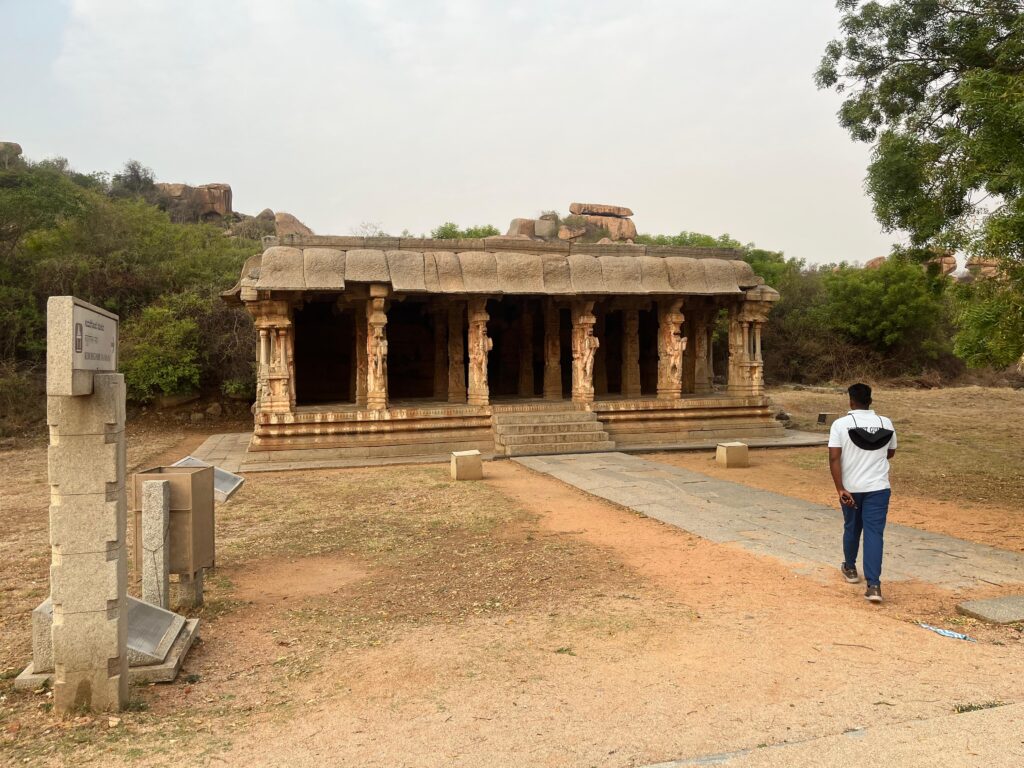
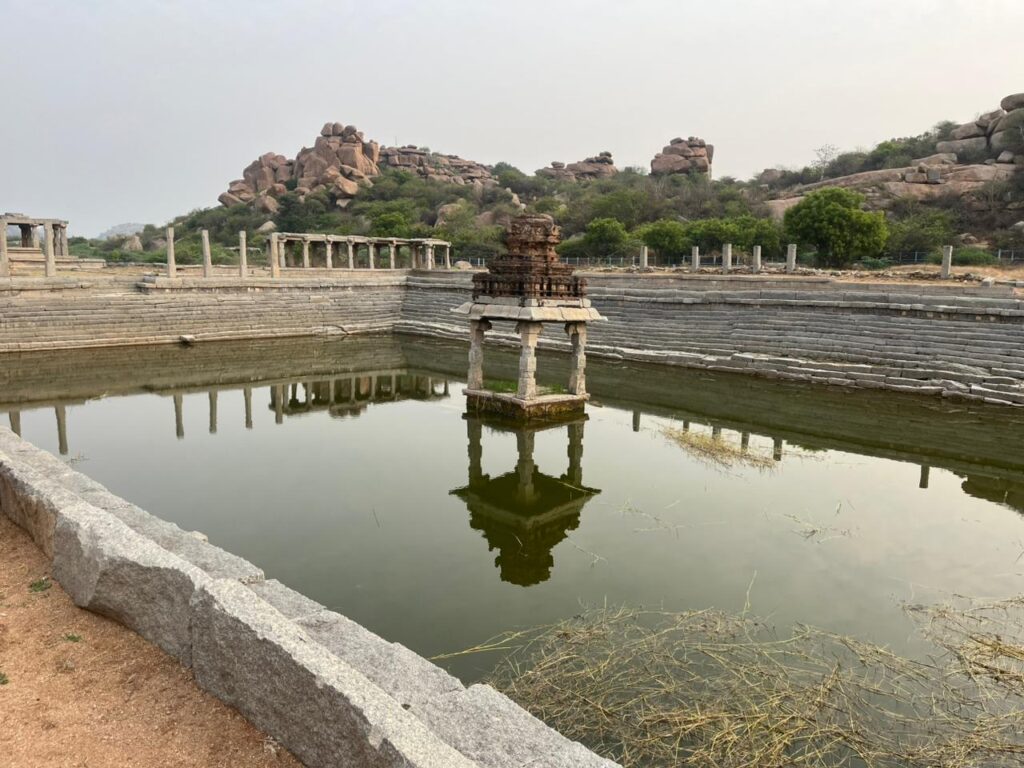
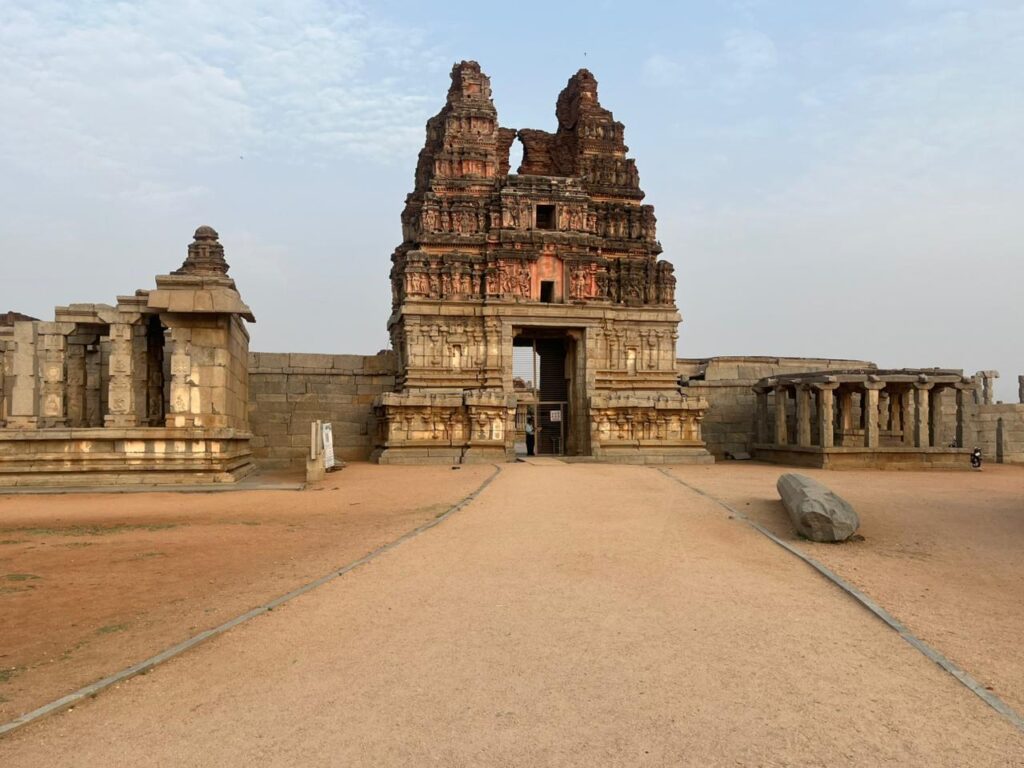
We walked towards the fabulous Vittala temple complex, almost the only ones there at 6:30 in the morning. It was quiet, serene and the huge entrance welcoming. There were remnants of a bazaar on either side serving traders from far and wide and a lovely temple pond or Pushkarni surrounded by stone steps for the devout. We bought our entrance tickets and stepped into the wondrous realm of the complex. Located at the Nort East of Hampi, the 15th century temple was built by King Krishnadevaraya II and later expanded by kings of the Vijayanagara empire. The temple was dedicated to Vittala or Lord Vishnu. According to our guide, the idol was damaged by marauding invaders and fearing for its safety, the priests smuggled it to Pandharpur in Maharashtra.
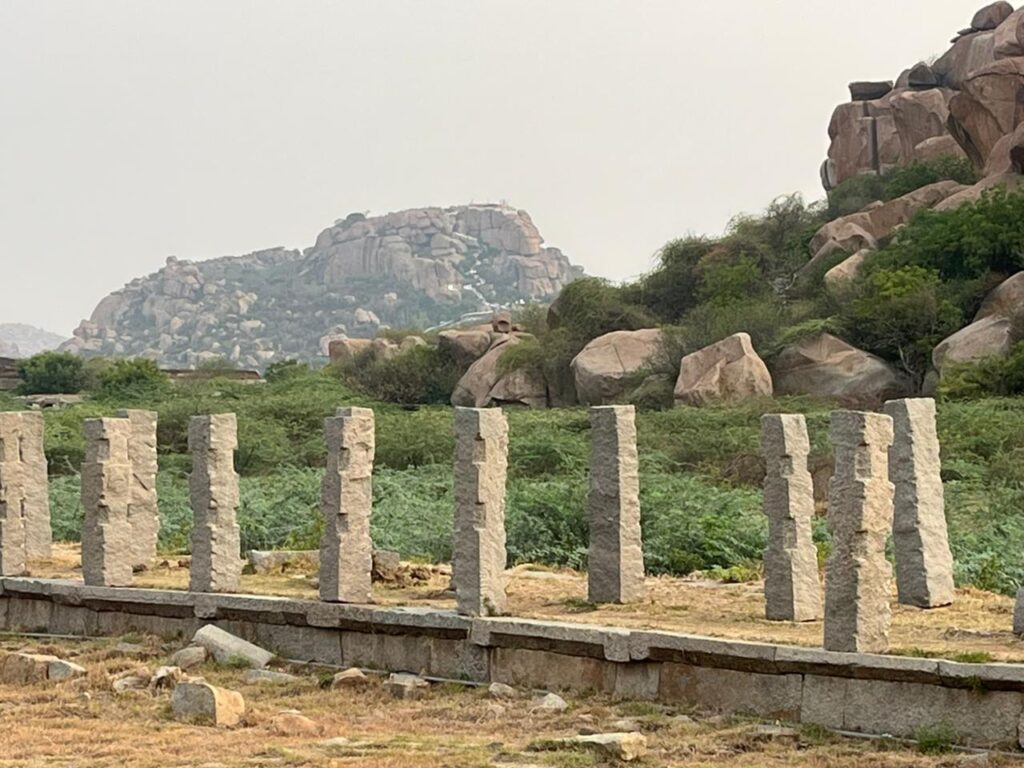
The mesmerising complex had many stone structures including the Maha Mandapa set on a high platform superbly sculpted with images of warriors, elephants and horses and held up by magnificent stone pillars. It also had 56 sculpted musical pillars which emitted the seven different musical notes (Sa Re Ga Ma Pa Dha Ni) varying in sound quality, depending on whether the instrument was percussion, string or wind, each carved out of single pieces of resonant granite stone. The Maha Mandapa was the hall where dance and musical performances took place. A curtain was said to have been hung around the pillars within which dancers performed for the king. We were not allowed to climb on to the mandapas or tap the musical pillars as they were under repair, being either damaged or fragile after incessant use. But the notes have been recorded digitally and one could hear them using scanned QR codes.
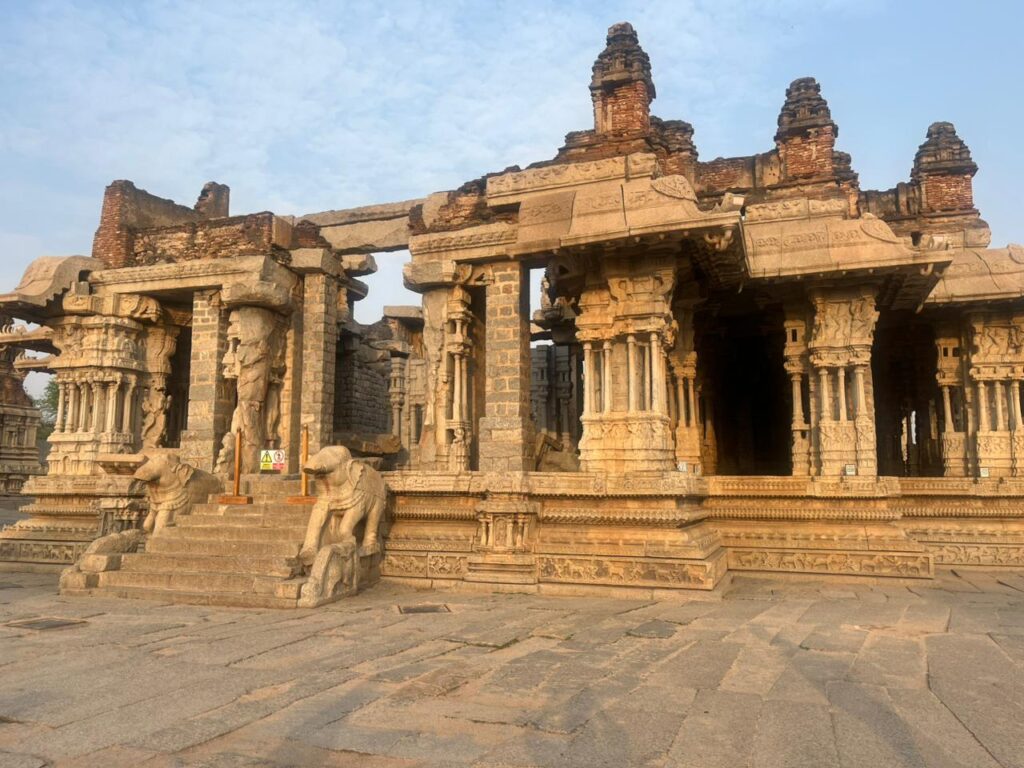
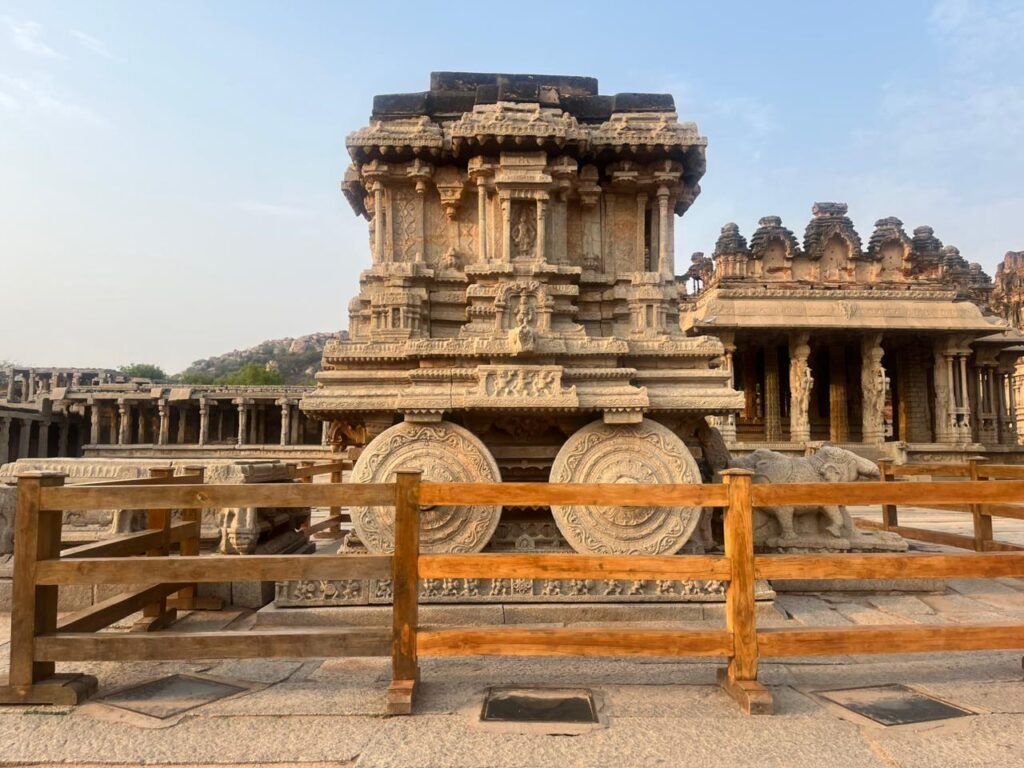
The piece-de-resistance of the complex was the stone chariot, one of the three in India – the other two being at Konark in Odisha and Mahabalipuram in Tamil Nadu. Superbly designed, the compact stone chariot facing the Maha Mandapa was a shrine dedicated to Garuda, the vehicle of Lord Vishnu. It was originally drawn by stone horses, but after damage was replaced by stone elephants, according to our guide. We walked for a whole two hours around the complex, completely absorbed in its beauty.
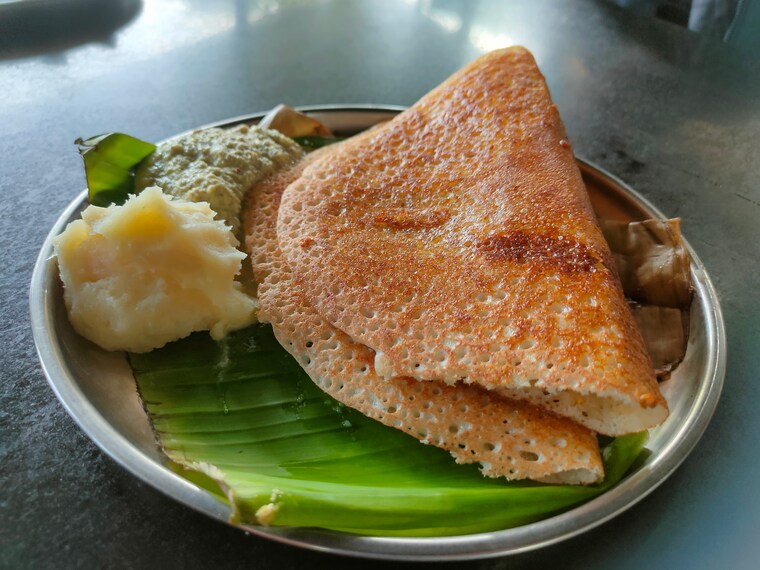
Our next halt was the Royal Enclosure which was about 7kms away. We were very hungry, having left early after our morning coffee. We halted at a tiny, family-owned restaurant where the owner was serving up hot idlis, medu vada and dosas with sambar and chutney followed by coffee. After a satisfying breakfast and armed with water bottles, we drove to our next site. The sun was beginning to come out in full force, it being May, but we continued enthusiastically till 1pm under scorching 42°C heat.
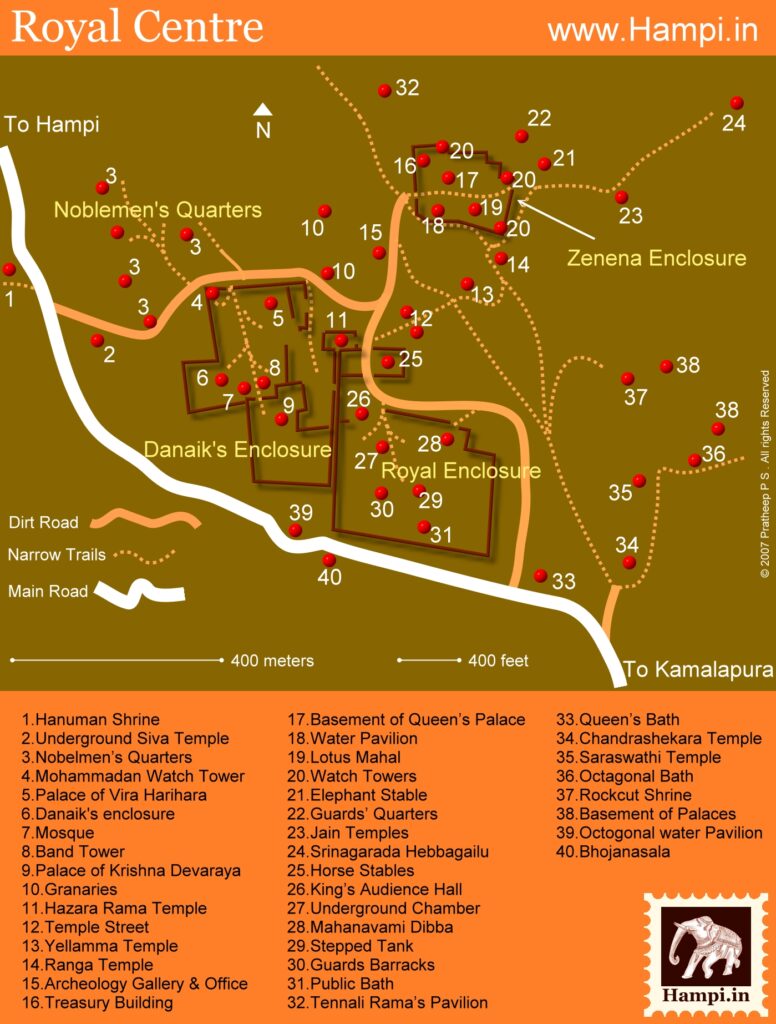
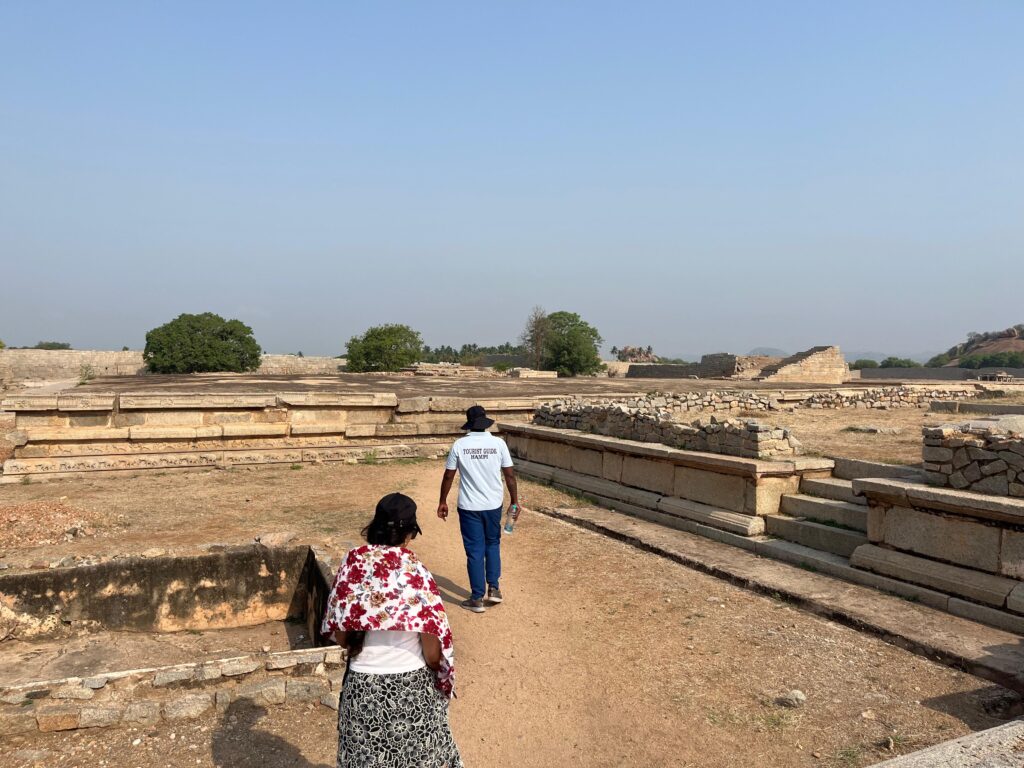
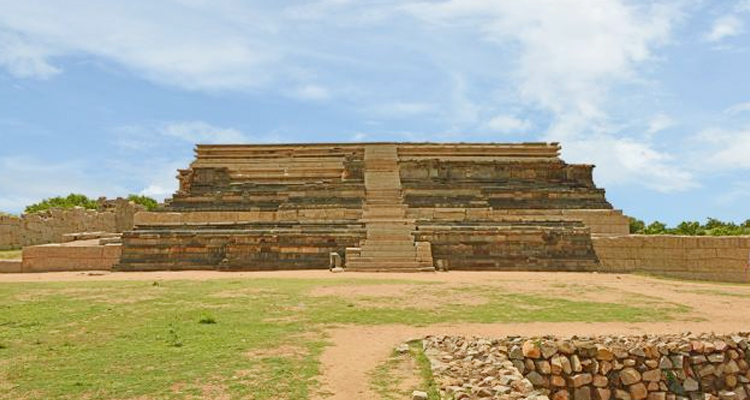
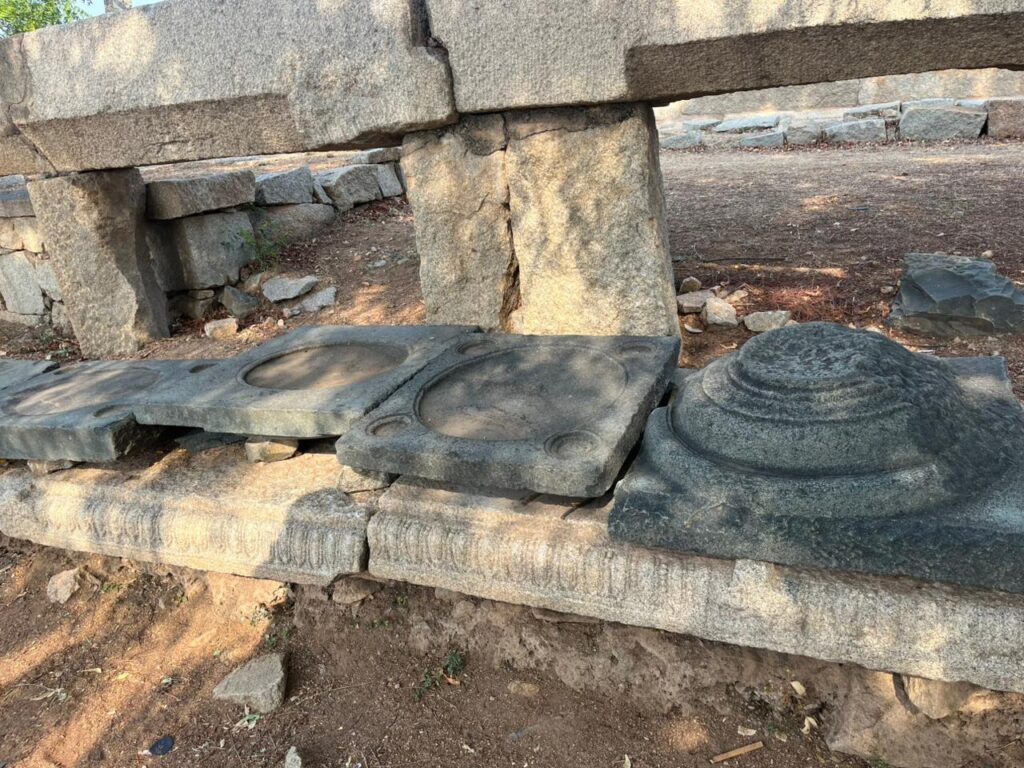
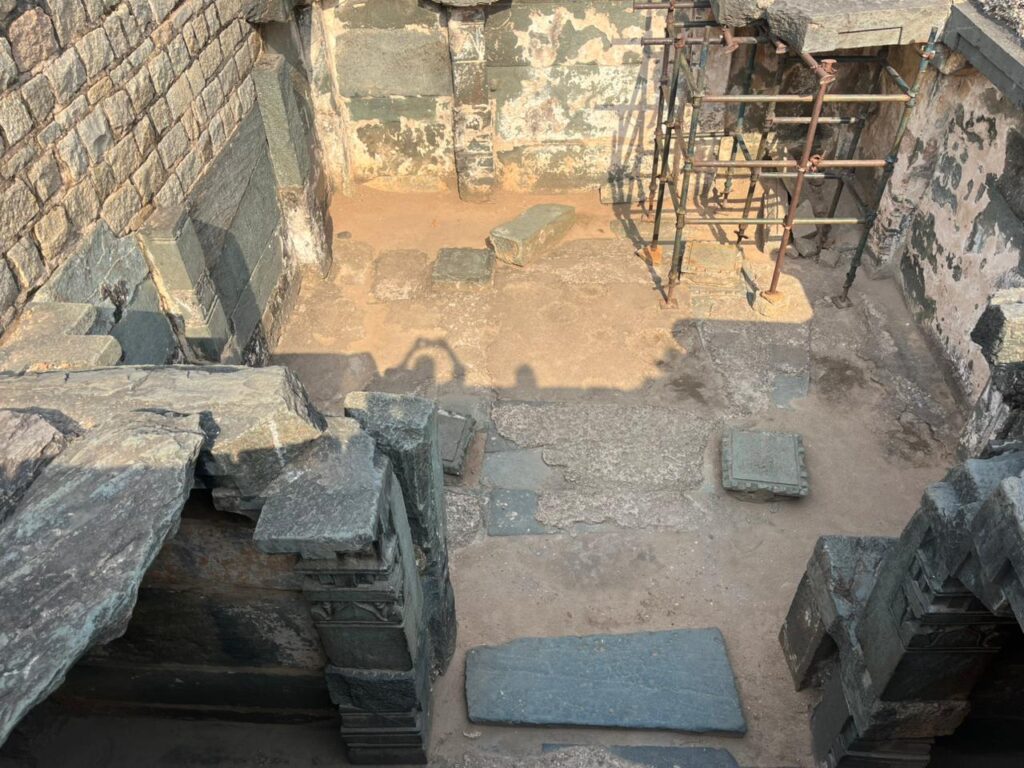
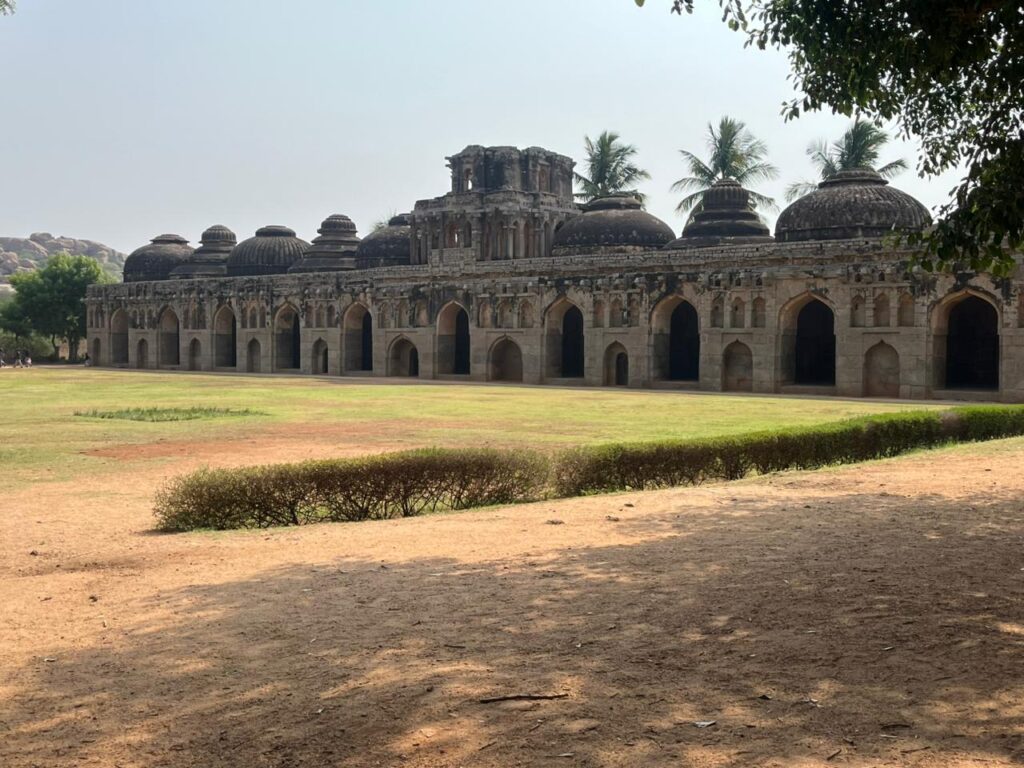
The royal enclosure, the seat of power of the Vijayanagara empire, was vast and flat, with most structures razed to the ground. Palaces were built on massive granite platforms featuring multiple tiers carved with details of flowers, geese, demon faces, elephants and human figures. The beams and rafters in the palaces were built mainly with sandalwood, encased in gold and studded with precious stones, offered our guide. They were easy to burn down and melt by the marauders. We walked kilometres touring the king’s enclosure, the zenana where the royal ladies were stationed, the fabulous elephant stable and the underground Shiva temple, among the numerous other sights which detailed the lives of the residents 500 years ago. It was a treat for the senses!
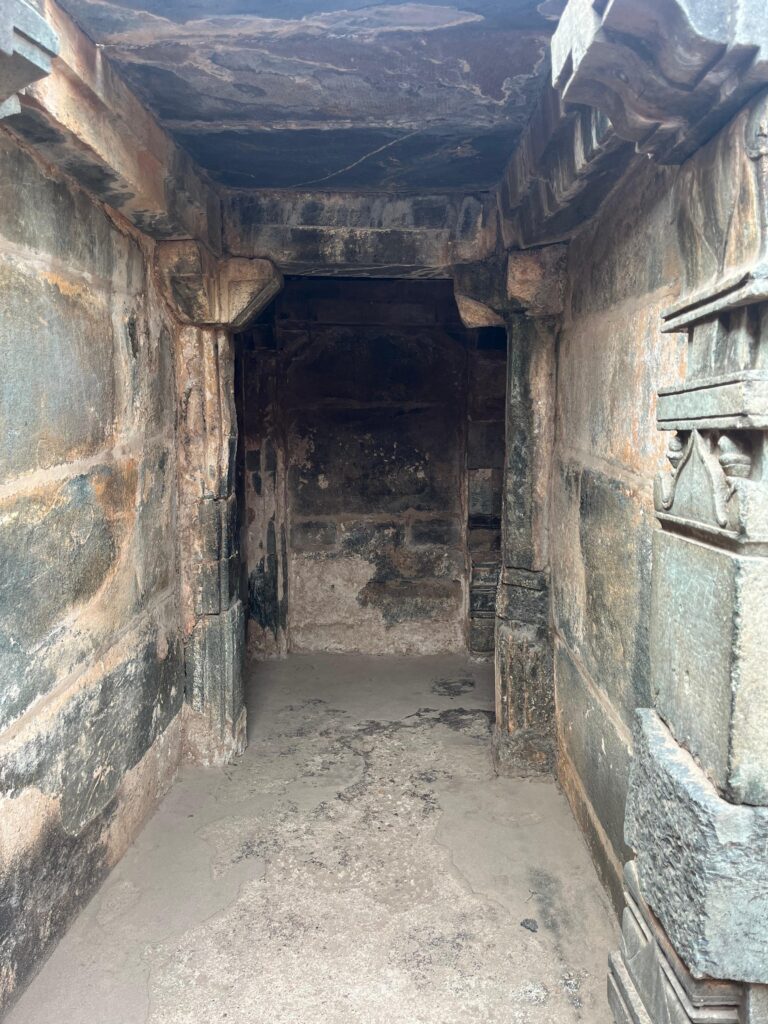
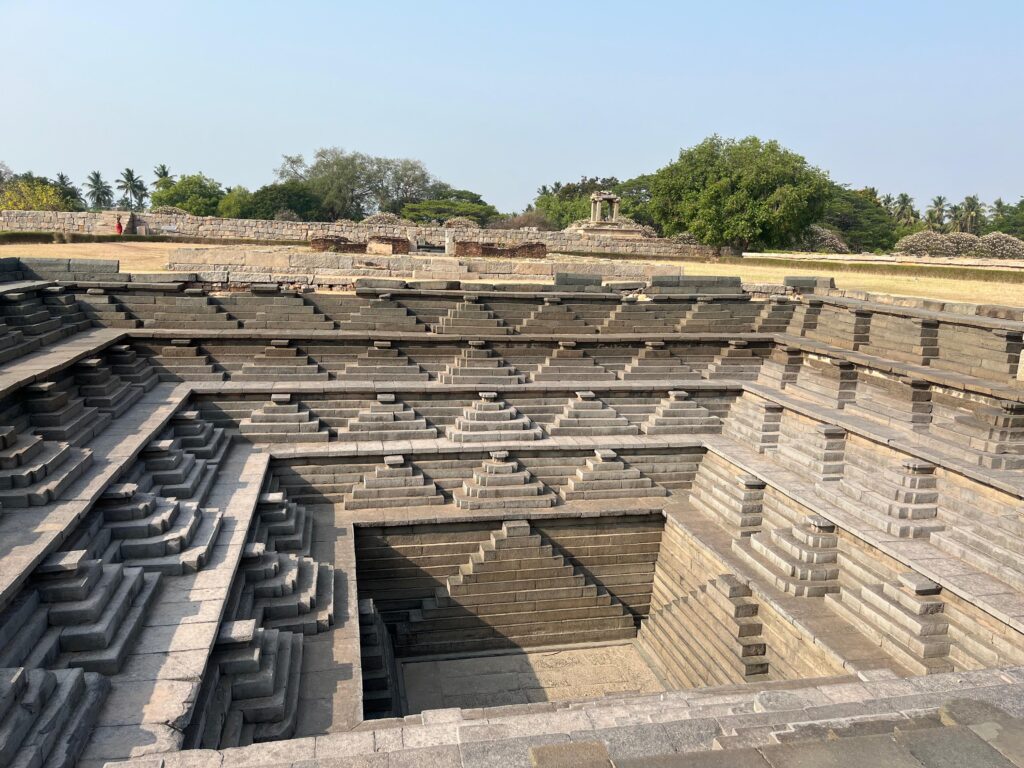
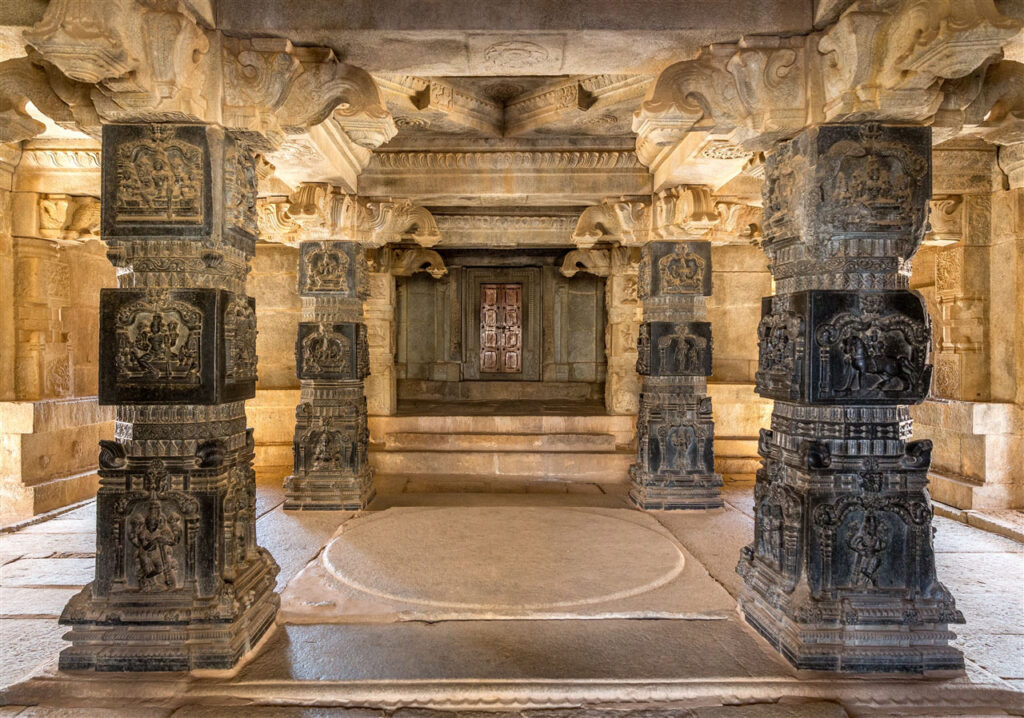
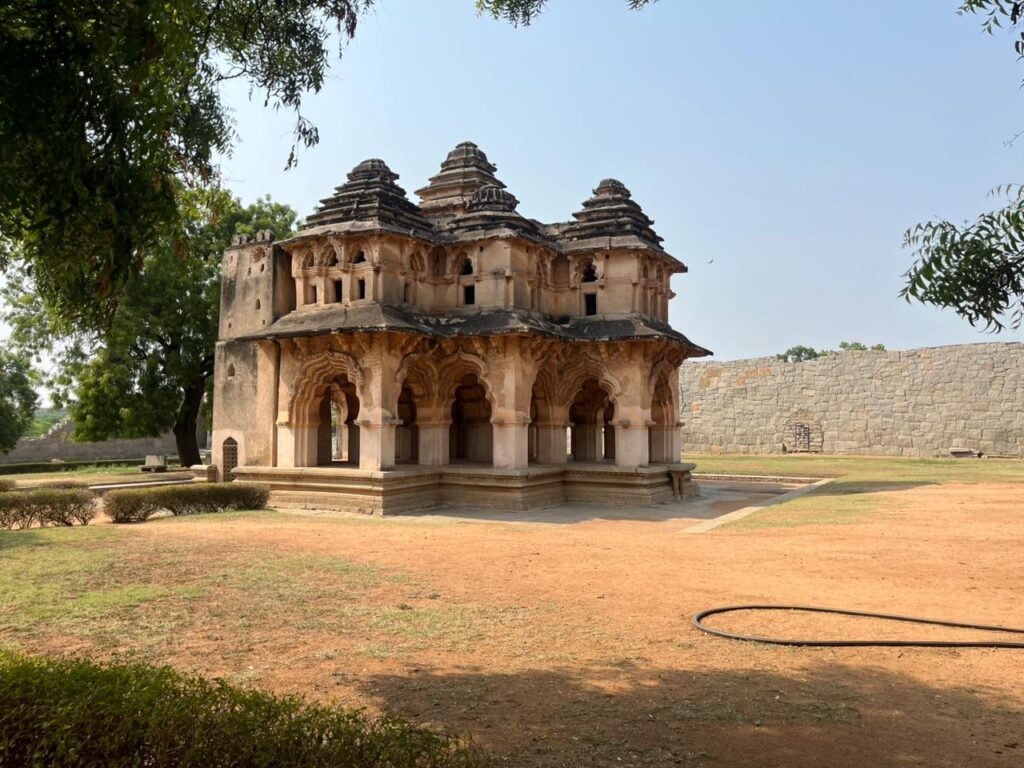
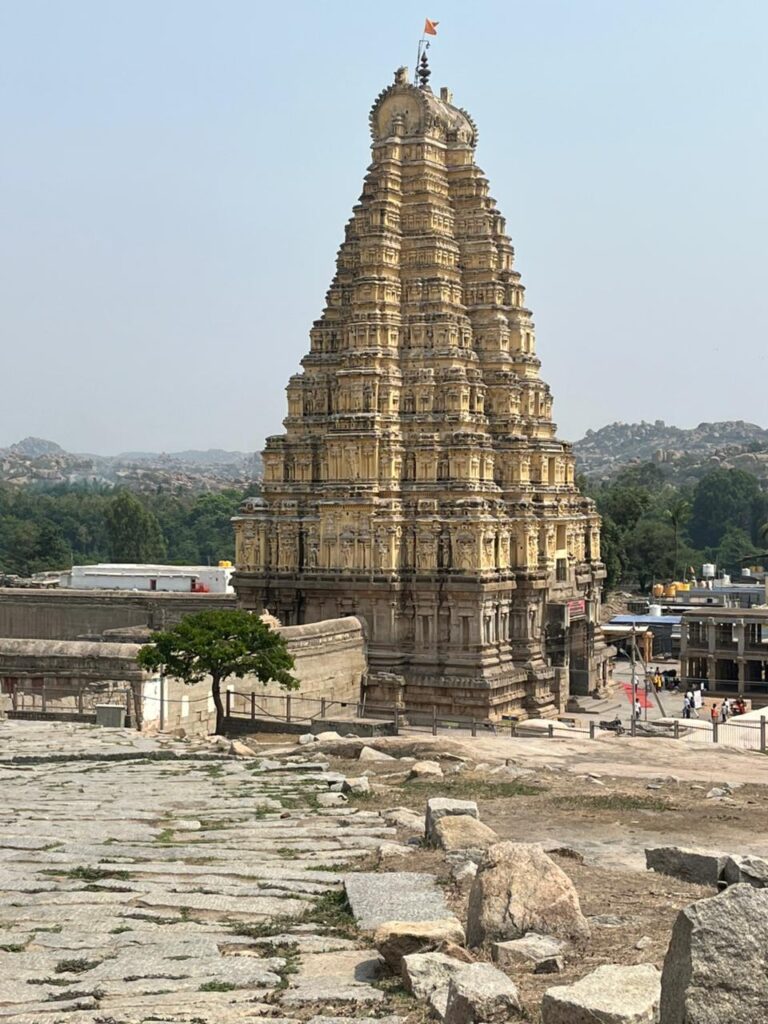
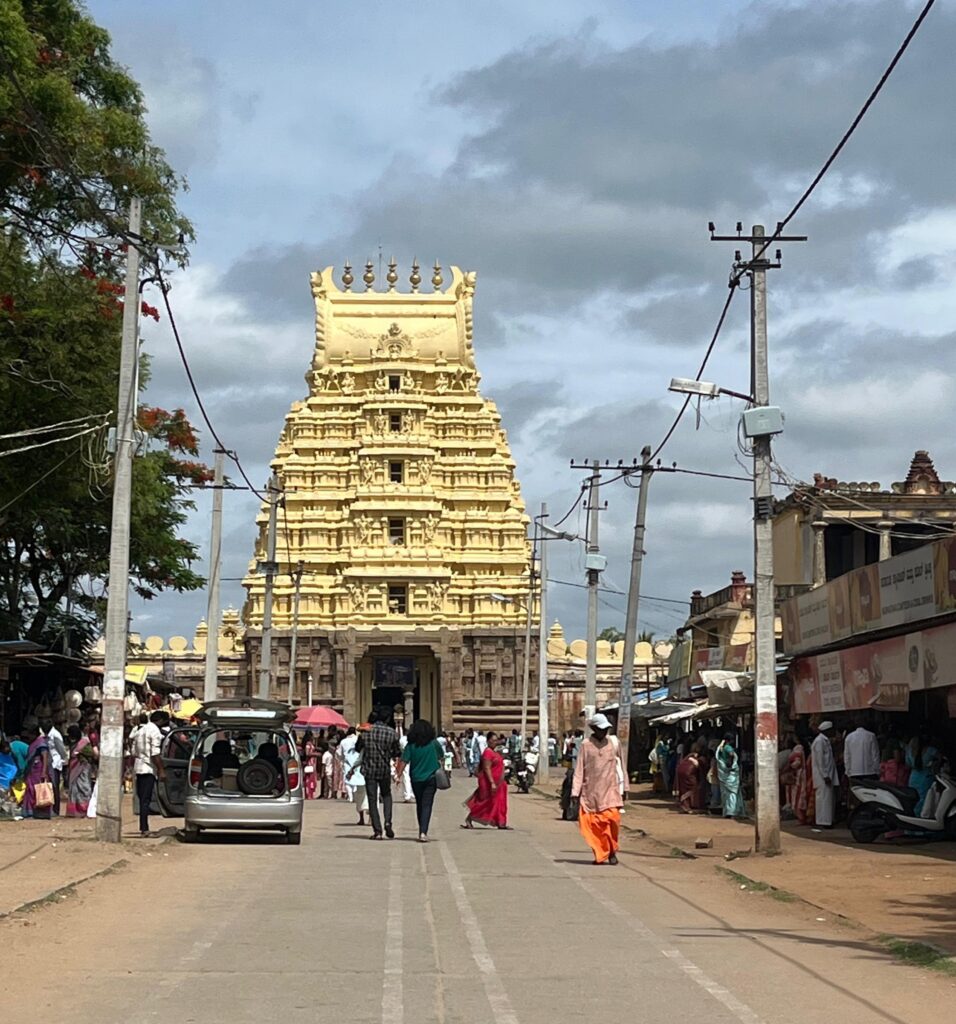
Our final stop was the magnificent Virupaksha temple dedicated to Lord Shiva by the Vijayanagara Kings. We could see the narrow channel of the Tungabhadra River flowing along the temple’s terrace, then descending below. Our guide also showed us the inner wall where an inverted shadow of the main entrance tower projects onto an inner western wall via a pinhole effect. Exhausted, soaked to the bone under the sweltering heat, we staggered back to our vehicle, thanking and taking leave of our wonderful and knowledgeable guide.
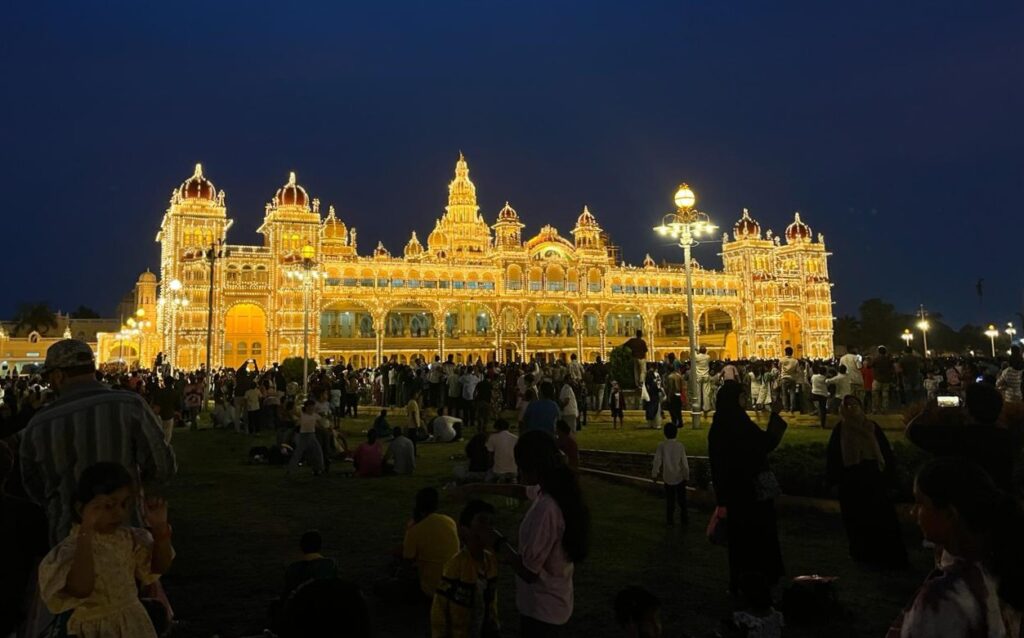
The next morning, we drove to Mysore and installed ourselves at Hotel Grand Mercure, where we spent three days to take in the sights. My daughter and I took a long walk in the evening, shopped for beautiful Mysore silk sarees at the government-owned Karnataka Silk Industries Corporation Ltd (KSIC) store. They sell genuine silk and sandalwood products. It happened to be a Sunday and we went to see the Mysore Palace beautifully lit up, a stunning sight!
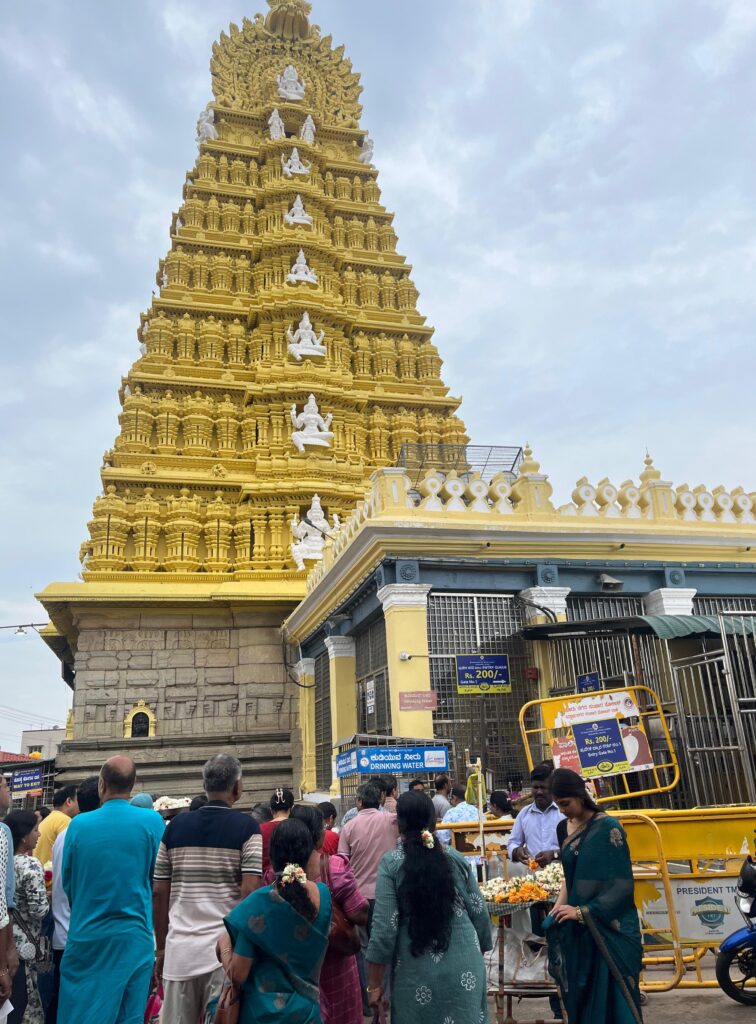
Next morning at 6am, after bath and coffee, we drove 13 kms to the Chamundeswari temple atop the Chamundi Hill, one of the Sakthi peethas, to take the blessings of the powerful and generous goddess. Strangely, the temple opened to the public only at 7:30am, when most temples in India open their doors at 5am. We waited in queue for over an hour for the ticket counter to open, gently grumbling at this rule. But once inside, just being in the presence of the stunning goddess decked in silks and gold took away all our earthly concerns. We carried prasad (laddus) for all back home. We walked later in the evening to the Wadiyar’s Mysore Palace we saw lit up the previous evening but were not too impressed by the interior.
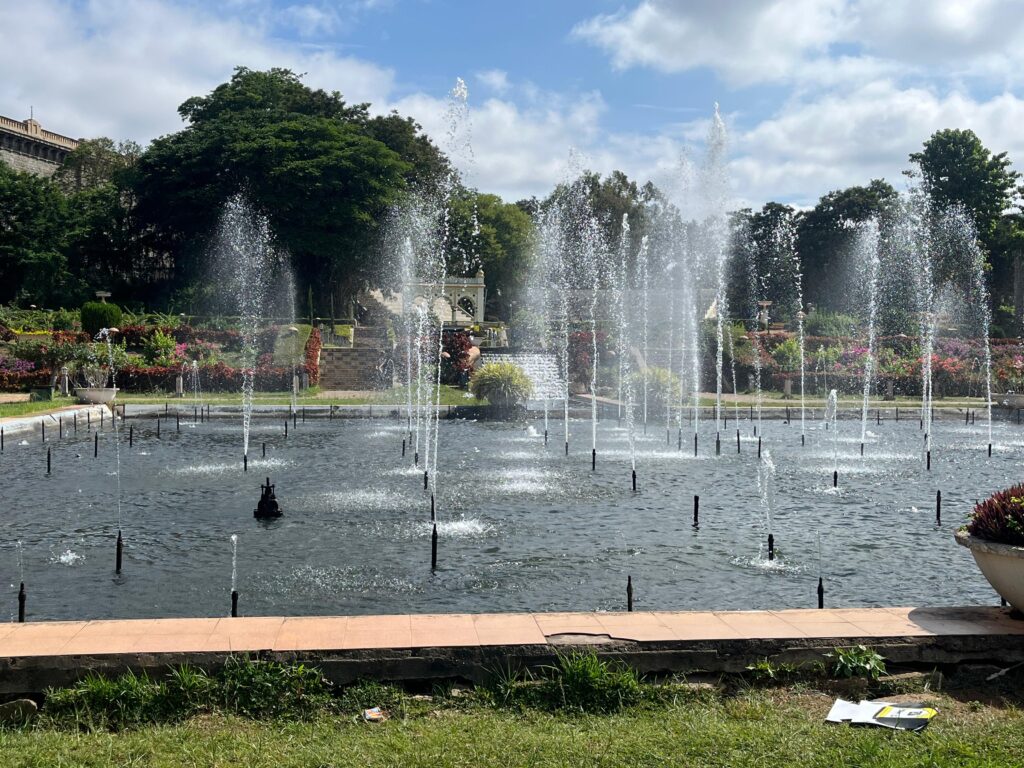
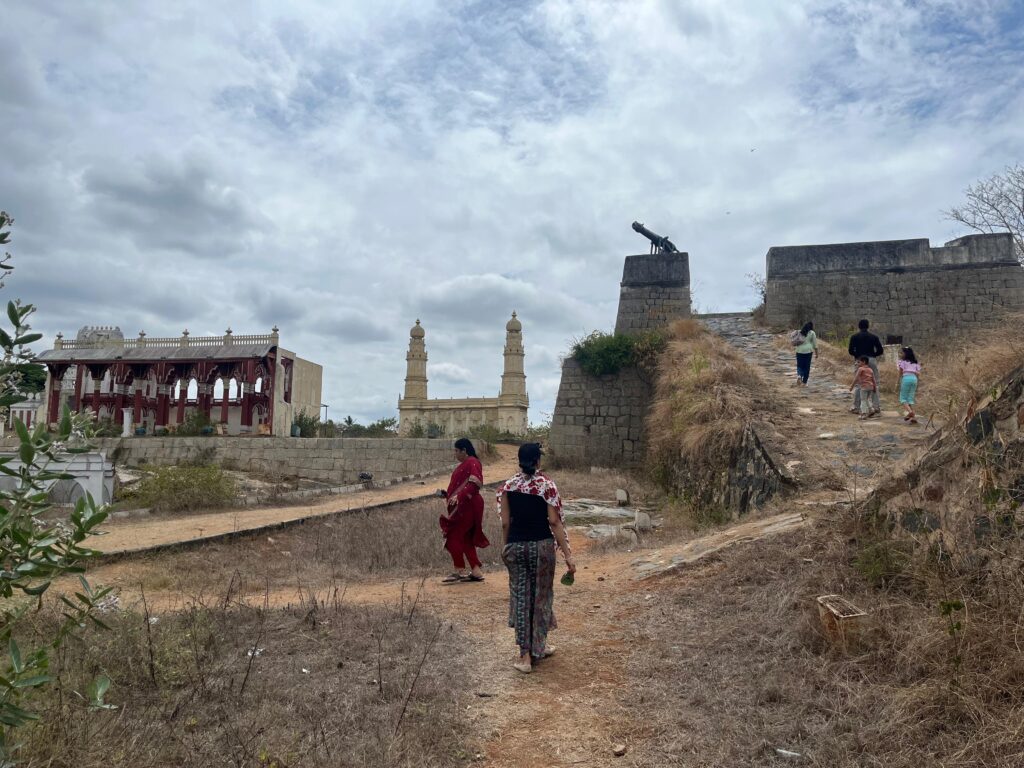
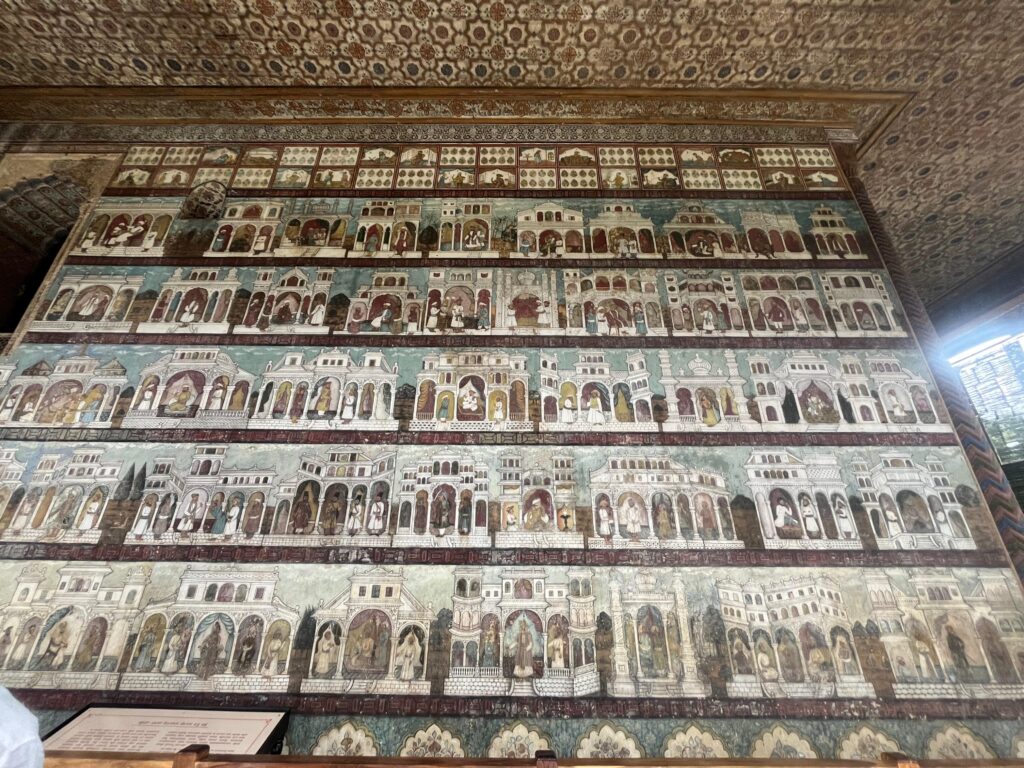
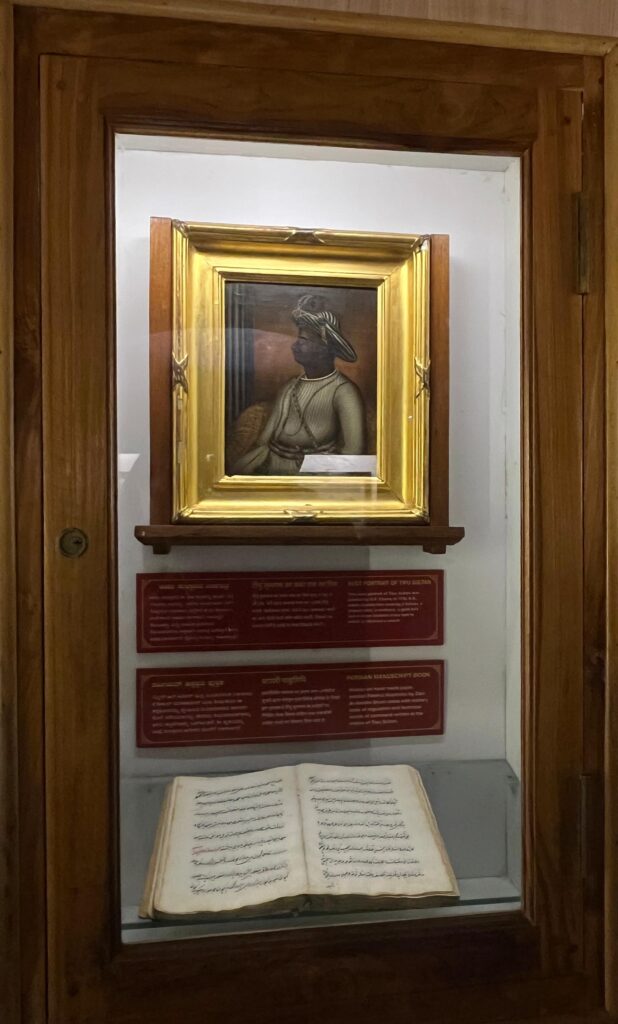
Brindavan gardens it was on Day 5, 18kms from our hotel in the Mandya district of Karnataka. The fantastic Krishna Raja Sagara Dam overseen by the foremost engineer Sri Visveswaraya, adjoined the gardens nourished by the river Cauvery. My daughter was delighted with the gardens and fountains and struck multiple poses amongst the flowers and waterfalls. We drove from there to Srirangapatna to the ancient Sri Ranganathaswamy temple housing the reclining deity of Lord Vishnu. We carried lotus flowers for his consort the goddess Lakshmi. In the same district of Srirangapatna were the fort and Summer Palace of Tipu Sultan, ‘The tiger of Mysore’ and its ruler from 1751 to 1799. We visited both sites and went back to the hotel, tired and hungry.
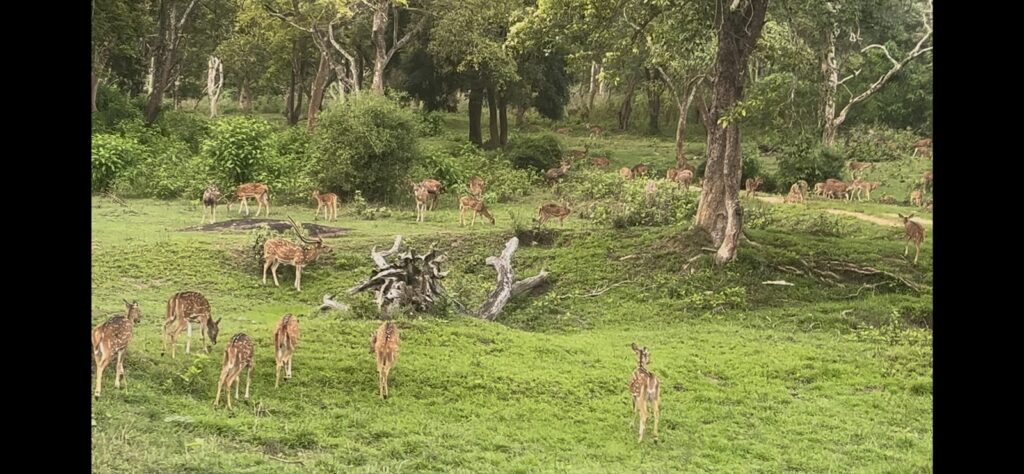
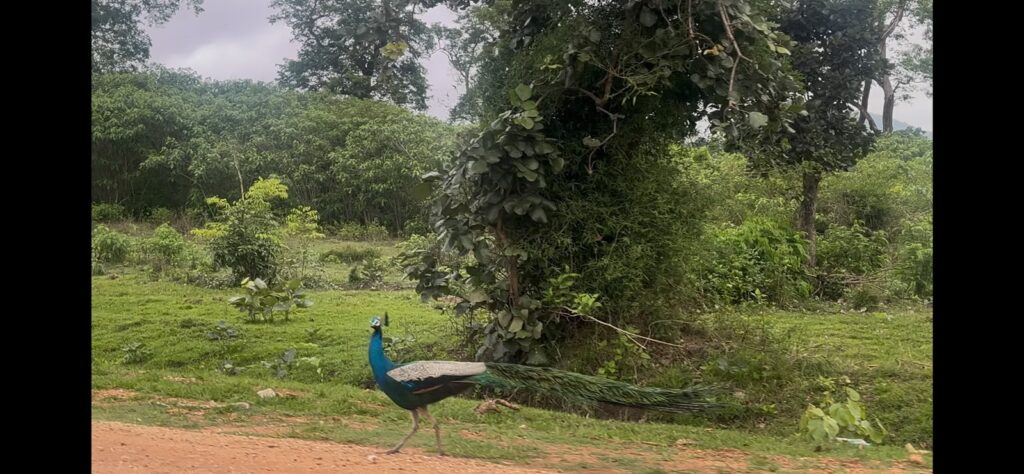
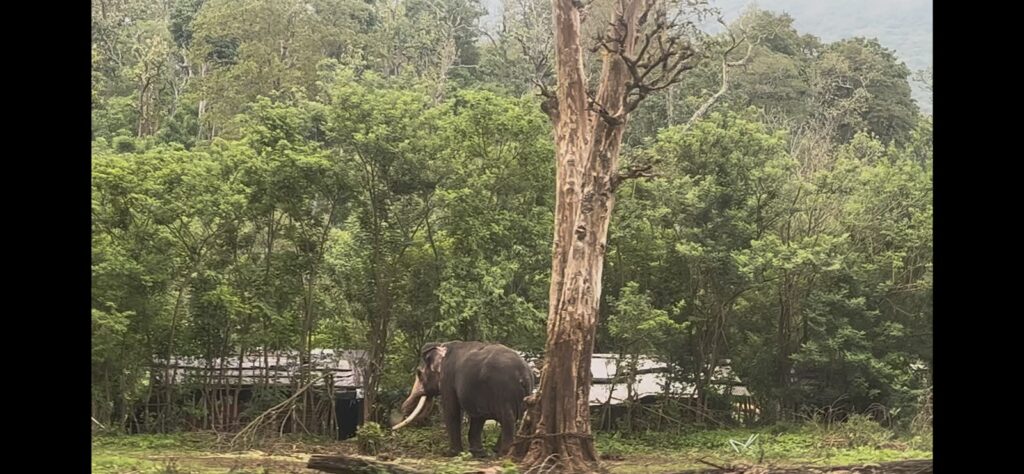
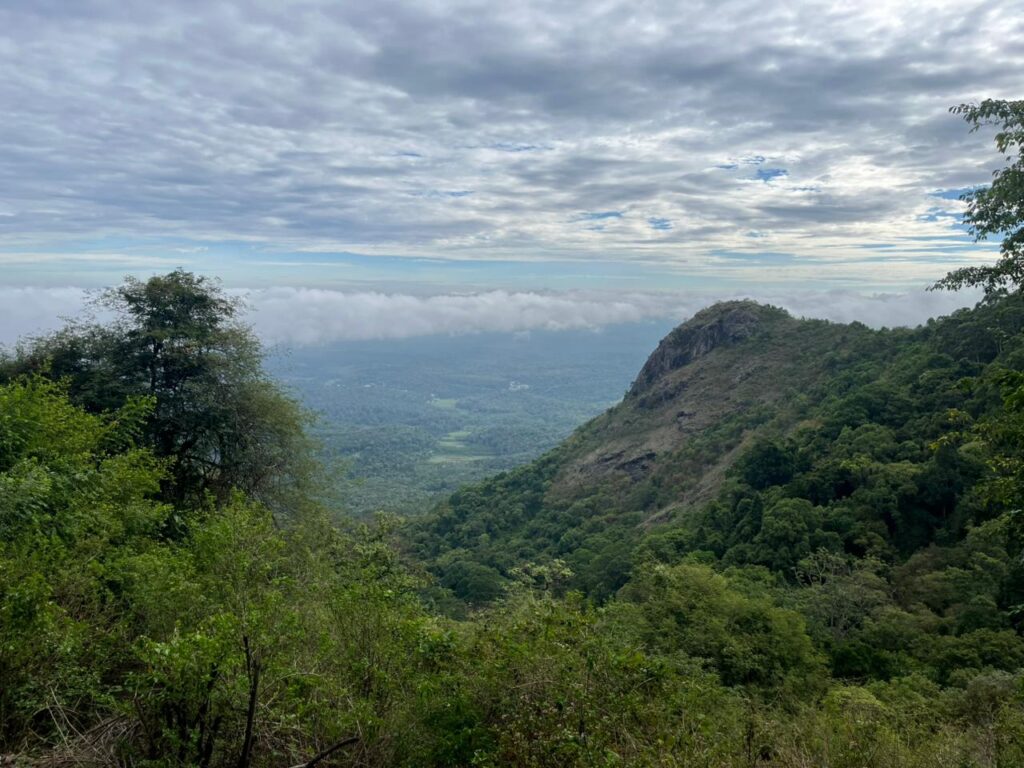
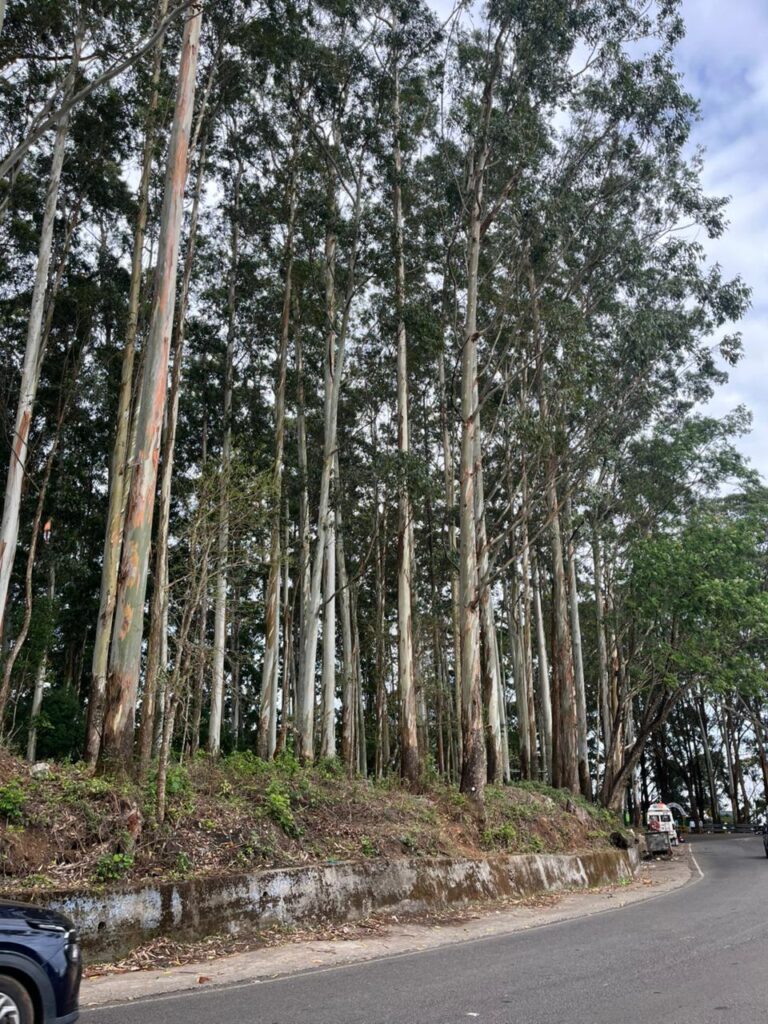
Our sixth day on the road trip and we sped to Coimbatore from Mysore, leaving the hotel at 4am after bath and cup of coffee. It was a spectacular drive!! We passed through the dense forest of the famed Bandipur tiger sanctuary in Karnataka followed immediately by the dense forest of the Mudumalai tiger sanctuary in Tamil Nadu. The whole drive through the forests lasted about two hours and was akin to a jeep safari! We spotted deer, peacock and elephants but no tiger. It was superbly exciting nevertheless. To top it all, came forests of the Nilgiris. We downed our car windows to inhale the healing fragrance of the eucalyptus. Indeed, we were fortunate that morning!
We visited our aunts and uncles in Coimbatore and Bangalore (Appa’s brothers and sisters). It was a joyful three days. We left for Bangalore on the 8th day and on Day 9, returned home to Mumbai. A short but memorable trip. As always, we were left with a sense of awe and wonder at what this great country of ours had to offer by of natural and man-made wonders.
Following on Appa’s footsteps, we went to the Ganesha temple and broke a coconut in gratitude for our safe return.




Leave a Reply